


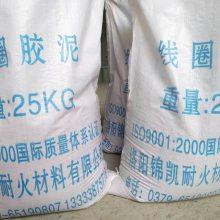


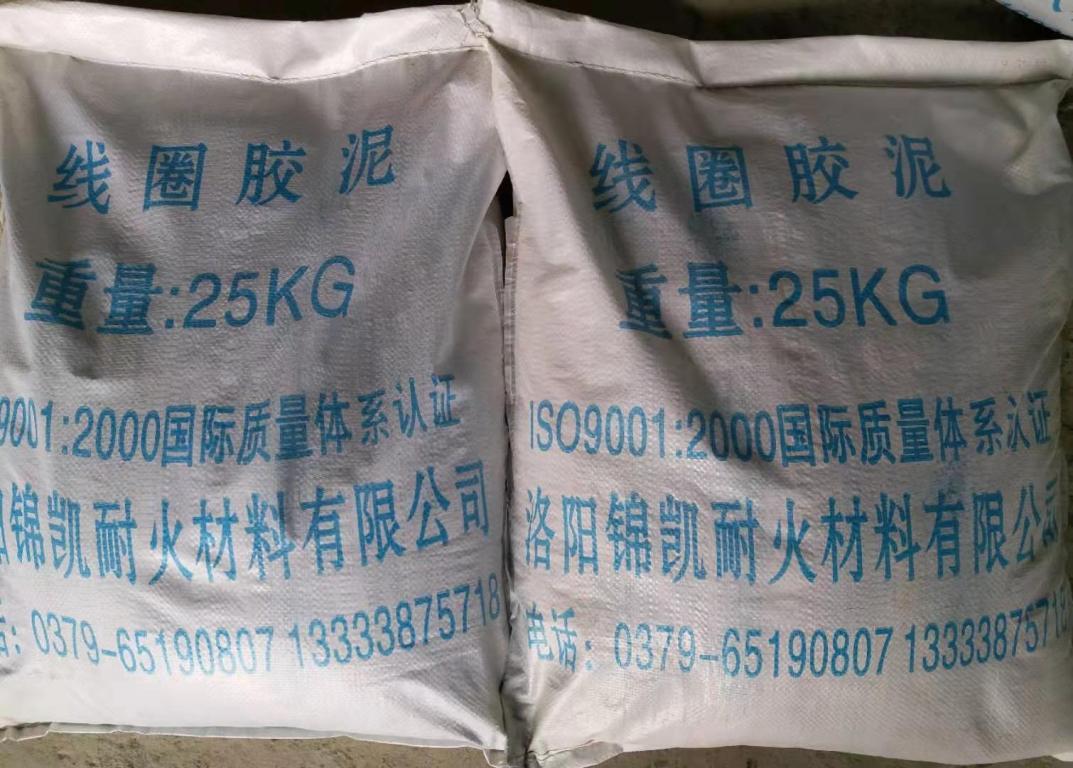
Coil Mortar
Contact Info
- Add:No. 10 Shuangxiang Road, Luoxin Industrial Cluster Zone, Zip: 471822
- Contact: 卢新建
- Tel:13333875718
- Email:lyjknhcl@126.com
Other Products

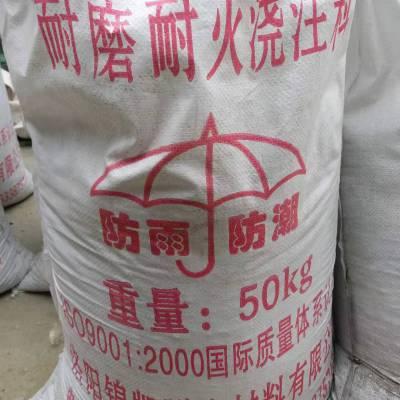
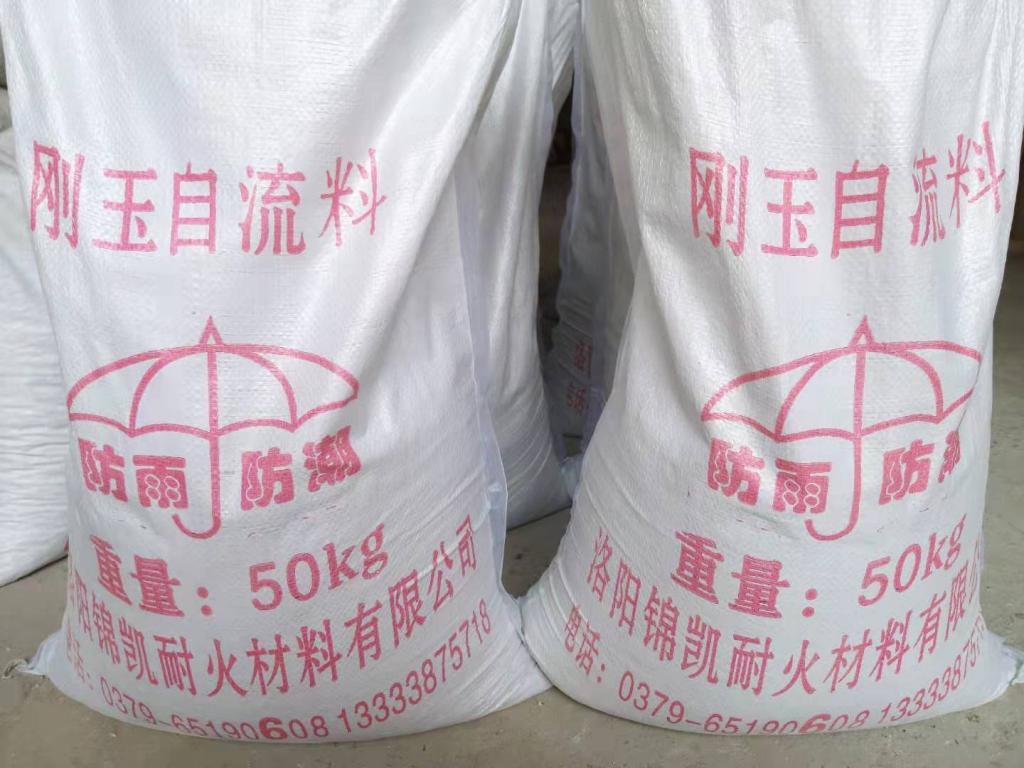
Coil Paste: A bulk material composed of carefully selected high-temperature resistant refractory sand and powder as the matrix, combined with appropriate amounts of hydraulic additives, activators, plasticizers, and other binding agents. Its primary functions are: 1. To protect the induction coil: It possesses high refractoriness and, in the event of molten metal penetrating the furnace lining, prevents the coil from being eroded by the molten metal. 2. To support the induction coil, preventing deformation during use and lining removal, especially for furnaces with ejection mechanisms, where it provides guidance and prevents coil abrasion. 3. To offer excellent insulation properties. After filling the gaps between the coil turns with the paste, it prevents arc damage between turns, avoiding short circuits or discharges that could generate excessive surge currents and damage components like thyristors.
Physical and Chemical Properties: Al2O3 ≥ 84%, SiO2 ≤ 6.5%, CaO < 5.1
Density ≥ 2.7 g/cm³; Initial setting time: 1.5 hours; Final setting time: 4 hours
Application Instructions: Due to its rapid initial hardening, avoid mixing too much at once. Pour one bag of material into a container (or an appropriate amount for partial repairs), add 4.8% clean tap water, and mix manually or mechanically until a certain viscosity is achieved before use.
Coil paste is also known as medium-frequency furnace coil paste (red paste, coil slurry), coil cement, or coil coating. Characteristics of Coil Paste Coil paste features high strength, high density, and high insulation. It is specifically designed to protect coreless medium-frequency furnace coils. Coil paste (coil slurry) has excellent viscosity and is easy to apply. The smooth surface formed on the coil can buffer the expansion and contraction of the induction coil lining. Additionally, coil paste effectively prevents molten metal leakage, protecting the induction coil from being penetrated by molten metal and causing furnace breakthrough. Application and Repair of Coil Coating 1. When repairing locally damaged areas of the coil coating, remove all debris from the coil coating and use coil paste for necessary repairs. Ensure the repaired surface remains smooth, even, and concentric. 2. For applying a new coil coating, first hang a plumb line from the center of the furnace to check if the coil is installed concentrically with the furnace. During application, ensure the paste is embedded between the coil turns, with a coating thickness of approximately 8-10 mm, and the surface should be smooth and even. The area 300 mm below the furnace spout should have minimal slope to prevent gaps between the hot face material and the coating during use, which could lead to molten iron leakage. 3. Minimize gaps or protrusions between the bottom/top turns of the coil and the corresponding bottom/upper support structures of the furnace (such as pouring ports). The goal is to form a smooth, integrated cylindrical surface between the coil coating and the furnace's bottom/upper support structures, allowing the furnace lining to expand and contract freely on this smooth surface during heating or cooling. This prevents significant stress from developing between the lining and any protrusions or gaps, which could cause cracks in the lining. 4. After applying the coating, use a wire brush to roughen the surface to facilitate drying. 5. New coil coatings or repairs covering large areas require at least 24 hours of natural drying time; minor repairs to the coil coating require at least 6 hours of natural drying time.
Share to: 0
| Industry Category | Construction & Building Materials/Cement/Cement & Cementitious Materials |
|---|---|
| Product Category | |
| Brand: | 锦凯 |
| Spec: | JK-J1 |
| Stock: | 100 |
| Manufacturer: | 洛阳锦凯耐火材料有限公司 |
| Origin: | 114103 |


